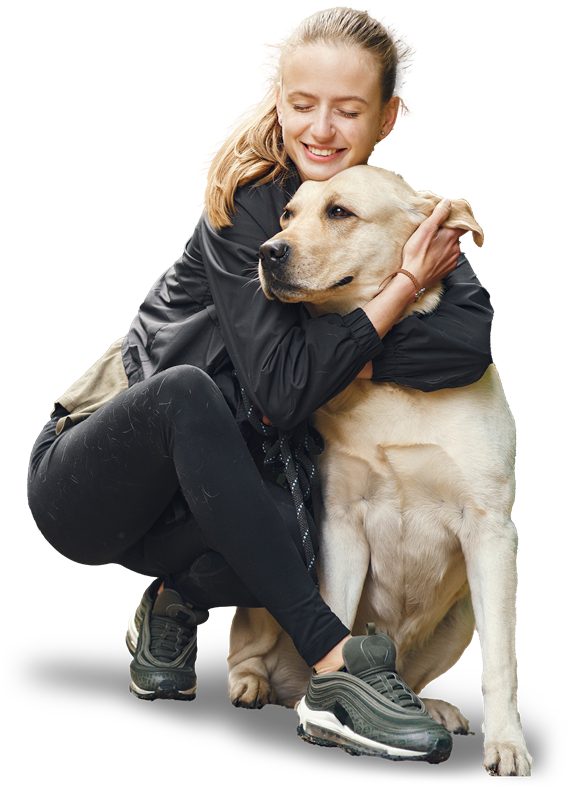


Nobody wants to leave their dog home alone.
But work calls… Errands pile up… Life happens…
And at some point, every dog owner finds themselves standing by the front door, wondering: How long is too long?
The internet is full of answers. Some say four hours. Some say eight. Some say it depends on the dog.
After thousands of Columbus dog walks, we’ve learned there isn’t one right answer.
We’ve cared for dogs who barely notice their owners are gone. They nap, stretch, watch the squirrels out the window, and happily greet us when we arrive.
We’ve also cared for dogs who struggle after just a few hours — pacing, whining, or waiting anxiously by the door.
The biggest factor often isn’t the number of hours alone. It’s the dog. Their age. Their temperament. Their routine. Their physical and mental needs.
That’s why the better question isn’t how long dogs can be left alone. It’s how long your dog can be left alone.
In this guide, we’ll help you find the answer.
Quick Answer: How Long Can Dogs Be Left Alone?
| Dog | General Guideline |
|---|---|
| Puppies | About 1 hour per month of age (up to ~8 months) |
| Healthy adult dogs | 4–6 hours is ideal; many can tolerate up to 8 with the right routine |
| Senior dogs | Often need more frequent bathroom breaks |
| Dogs with medical conditions | Depends on individual needs |
These are general guidelines — not hard rules. Some dogs are perfectly content for several hours. Others struggle after much less time.
There’s No Magic Number — But There Are Guidelines
One of the biggest misconceptions about leaving dogs home alone is that there’s a universal number that works for every dog.
There isn’t.
A dog’s ability to be alone isn’t just about time. It’s about age, personality, energy level, routine, and what happens before you walk out the door.
Puppies need more frequent breaks — about one hour of bladder control per month of age, up to around eight months.
Senior dogs may need extra outings too.
Healthy adult dogs can often handle a workday — but “can” isn’t “should.” Holding it for eight hours is physically possible. That doesn’t mean it’s comfortable or good for them.
What Does a Happy Day Home Alone Actually Look Like?
Most people picture a dog staring sadly out the window all day. That’s not what actually happens.
They sleep.
Adult dogs spend a surprising amount of the day resting. They wake up, stretch, wander to another room, look out the window for a few minutes, maybe chew on a toy, and settle back down again.
A dog who’s comfortable being alone moves through the day without much drama. They can relax, settle themselves, and greet you happily when you return — excited, not frantic.
The goal isn’t to make your dog love being alone. It’s to help them feel safe enough that being alone is just another ordinary part of their day.
When that’s not happening, dogs usually tell us.
Signs Your Dog May Be Struggling With Alone Time
Dogs don’t tell us they’re having a hard day with words. They tell us through their behavior — whether they’re in a downtown apartment in the Short North or a family home in Bexley.
Sometimes it’s obvious. A chewed-up shoe. Shredded paper towels. An accident on the floor.
Other times, it’s quieter. The dog who barks long after you’ve left. The one who paces from room to room. The one who greets you with frantic excitement every single day, as if they’ve been holding their breath since you walked out.
It helps to understand the difference between boredom and anxiety.
A bored dog has energy with nowhere to put it. They chew, dig, or invent their own entertainment. More exercise, mental enrichment, or a break in the middle of the day often helps — and that’s exactly what a professional Columbus dog walker like Hands N Paws provides.
An anxious dog is in genuine distress. They drool, refuse food, or destroy things not because they’re stubborn — but because they’re overwhelmed. The right approach can make a real difference in alleviating your dog’s separation anxiety.
The distinction matters because the solution is different. A bored dog needs more activity. An anxious dog may need guidance from a veterinarian or qualified trainer.
Not every dog who barks or chews has separation anxiety, and not every dog who sleeps all day is perfectly content. The key is looking for patterns. When your dog’s behavior consistently tells you they’re struggling, it’s worth paying attention.
Which Dogs Need More Frequent Company?
Some dogs handle alone time with ease. Others need a little more support. Here are the dogs who often benefit from shorter stretches alone and more frequent check-ins.
Puppies
Small bladders, big feelings, and no concept of time. They need frequent breaks, consistent training, and plenty of reassurance that being alone isn’t forever.
Senior dogs
Aging bladders, stiff joints, and sometimes medication schedules that don’t align with a nine-hour workday. A midday visit isn’t a luxury — it’s often a necessity.
Dogs with separation anxiety
This goes beyond normal restlessness. These dogs experience genuine panic when left alone. The destruction they cause isn’t mischief. It’s distress.
High-energy breeds
Border Collies, Huskies, Labs — dogs bred to work don’t do well with nothing to do. A full day without an outlet can leave them vibrating with pent-up energy.
Recently adopted dogs
Still learning the rhythms of your home and whether you’re coming back. They may have a history that includes abandonment, and they don’t yet know you’re different.
We see these differences every day while walking dogs across Columbus. A senior Beagle in Bexley who naps through the afternoon without a care. A young Husky in the Short North who needs a midday run just to stay sane. Same city. Same hours. Completely different needs.
If your dog falls into one of these categories, a full workday alone might be asking more than they can comfortably give. That’s not a failure. It’s just information — and once you have it, you can do something about it.
How to Make Alone Time Easier for Your Dog
If your dog is going to be home alone for a while, the goal isn’t just keeping them occupied until you get back. It’s helping them feel comfortable, relaxed, and confident while you’re away.
Fortunately, a few small changes can make a big difference.
Start with exercise.
A dog who’s had the chance to burn off some physical and mental energy before you leave is much more likely to settle once the house gets quiet. It doesn’t have to be an hour-long hike — even a morning walk, a game of fetch, or a visit from a Columbus dog walker can help take the edge off the day ahead. For many busy pet parents, that extra support is exactly what makes hiring a dog walker worth it.
Give them something to do.
A frozen Kong, puzzle toy, long-lasting chew, or sniffing activity gives your dog a job while you’re gone. Mental enrichment helps break up the day and keeps many dogs from becoming bored or frustrated.
Create a space that feels safe.
Some dogs relax best in a crate they’ve learned to love. Others prefer a favorite room, a cozy bed near a window, or a quiet corner of the house. The goal isn’t giving them the biggest space possible — it’s giving them a space where they can truly settle.
Keep departures and arrivals low-key.
It can be tempting to make a big production out of saying goodbye, but doing so can accidentally make your departure feel more significant than it needs to be. Leaving calmly and greeting your dog once they’ve settled can help create a more predictable, reassuring routine.
Break up the day when you can.
For many dogs, the biggest challenge isn’t being alone — it’s being alone for one long, uninterrupted stretch. A quick potty break, a short walk, a few minutes of attention in the middle of the day from a dog walker in Columbus — it can completely change how the rest of the afternoon feels.
None of these strategies are complicated. They’re simply thoughtful ways to make your dog’s day a little easier. Sometimes the smallest adjustments have the biggest impact.
Why a Midday Dog Walk Can Make a Huge Difference
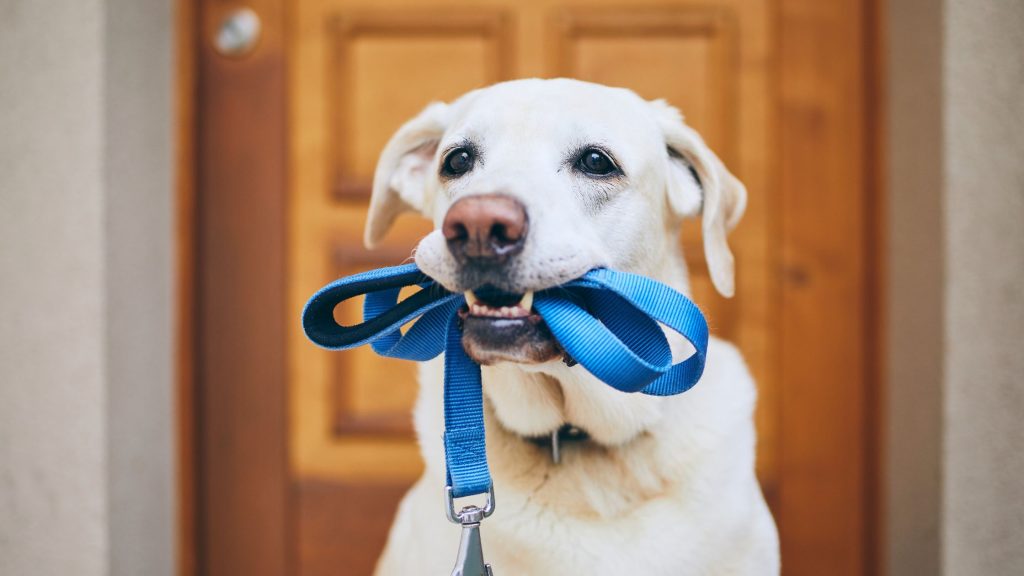
Eight hours alone is a long time. Eight hours with a break in the middle is a different day entirely.
A midday visit from a professional dog walker splits that long stretch into two shorter, more manageable pieces. Your dog gets a chance to go outside, stretch their legs, relieve themselves, and spend time with someone they know. The silence breaks. The clock resets.
We see it all the time across Columbus — dogs who start waiting by the door a full hour before their walker is due. Not because they’re desperate to go out, but because that visit is the high point of their day. It’s something to look forward to.
And here’s what changes for you: by the time you walk through the door in the evening, your dog has already had their reset. No bursting with pent-up energy. No frantic greeting that lasts twenty minutes. No guilt hanging over your commute home.
They’re just happy to see you. Relaxed. Content. Ready to settle into the evening together.
Frequently Asked Questions About Leaving Dogs Home Alone
How long can a puppy be left alone?
A general guideline is one hour per month of age. A three-month-old puppy can typically go about three hours. A six-month-old puppy, about five or six. Puppies also have different exercise needs and need more frequent potty breaks, socialization, and supervision than adult dogs. Leaving a puppy alone for a full workday isn’t realistic without help.
Is it okay to leave a dog alone for 8 hours?
For most healthy adult dogs, eight hours is within range — but it’s on the long side. A midday potty break or visit from a dog walker can make those hours much more comfortable. If your dog shows signs of stress, accidents, or destructive behavior, eight hours may be too long.
What are signs my dog can’t handle being alone?
Accidents in the house, destructive chewing, excessive barking, pacing, drooling, or clinginess when you return. These aren’t bad behavior — they’re signs of stress. If you notice them consistently, your dog may need a shorter alone-time window or a midday break.
How do I know if my dog has separation anxiety?
Separation anxiety in dogs goes beyond normal restlessness. They may panic when you prepare to leave, destroy furniture or doorframes, injure themselves trying to escape, or urinate and defecate even when fully house-trained. If this sounds familiar, consult your veterinarian or a professional trainer.
Should I hire a Columbus dog walker for my dog?
If your dog is alone for more than six to eight hours regularly — or if they’re showing signs of stress at any duration — a professional dog walker can make a significant difference. A midday visit breaks up the long stretch, provides exercise and relief, and gives your dog something to look forward to.
How much does a dog walker cost in Columbus?
Dog walking rates in Columbus typically range from $20 to $30 per visit, though the exact cost depends on factors like visit length, frequency of service, time of day, and what’s included with each visit.
Can I train my dog to be better at being alone?
Yes. Start with short departures and gradually increase the time. Pair your absence with something positive — a treat, a toy, a comfortable space. Keep arrivals and departures low-key. For dogs with true separation anxiety, work with a veterinarian or qualified trainer for a structured plan.
What’s the difference between boredom and separation anxiety?
A bored dog has energy with nowhere to put it. They may chew, dig, or find their own entertainment, and more exercise or enrichment often helps. A dog with separation anxiety is in genuine distress — they’re not being destructive for fun. They’re panicking. Anxiety requires a different approach, often with professional guidance.
The Right Amount of Time Is the Amount Your Dog Can Handle
At Hands N Paws, we’ve built our approach around a simple idea: the goal has never been to simply fill thirty minutes. It’s to provide the type of care that’s best for your individual dog.
Whether you’re in Clintonville, Upper Arlington, Grandview, Bexley, German Village, or anywhere else in Columbus, the right solution starts with paying attention to the dog in front of you.
If your dog could use a midday break — someone to walk them, check in on them, and break up the long hours — we’d love to meet you!