

Training your dog doesn’t need to feel overwhelming. As professional dog walkers in Columbus, Ohio, we reinforce basic training commands every single day — and we’ve seen firsthand how a few simple skills can dramatically improve a dog’s confidence, behavior, and bond with their humans.
These simple training tips are especially helpful for dog owners in Columbus who want calmer walks, smoother daily routines, and better communication with their dogs. Whether you’re working with a new puppy or reinforcing basics with an adult dog, small, consistent steps can make training feel easier and more rewarding.
Sit: The Foundation of Dog Obedience Training
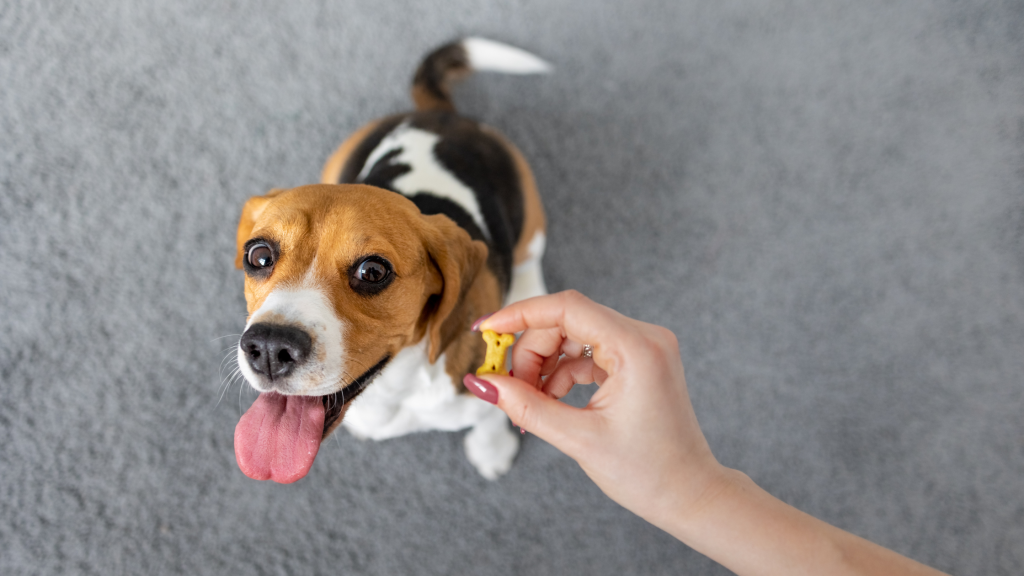
“Sit” is often the very first command we reinforce as dog walkers because it promotes calm, focus, and impulse control. It’s also the foundation for many other commands and a powerful way to help dogs pause and check in with their humans.
How to teach “sit”:
- Grab high-value treats: Use small, tasty treats your dog finds motivating.
- Say the command clearly: Allow your dog to approach you, then calmly say “sit.”
- Wait it out: Many dogs will naturally sit while trying to figure out what you want. The moment they do, reward immediately.
- Repeat consistently: Step away so they stand up again, then practice a few more times.
Pro tip from our Columbus dog walkers: We practice “sit” before walks, meals, and door openings to help prevent jumping and bolting.
Want a deeper breakdown? Here’s AKC’s step-by-step sit guide.
Paw: A Fun Trick That Builds Confidence
“Paw” is more than just cute — it helps dogs get comfortable with handling and builds positive social interactions. It’s especially helpful for dogs who may be shy around new people.
How to teach “paw”:
- Hold a treat near your dog’s nose and say “paw.”
- Wait for movement: Most dogs will naturally lift a paw while trying to reach the treat.
- Guide gently if needed: If your dog seems unsure, gently lift their paw and place it in your hand.
- Reward and praise immediately.
Pro tip: We often use “paw” as a confidence booster during visits with dogs who are nervous or hesitant — it helps break the ice fast. This is especially helpful for timid pups in feeling more comfortable.
Fetch: Turning Play Into Training
Fetch is a classic favorite, but not all dogs instinctively know how to play it. Teaching fetch builds engagement, recall skills, and healthy exercise habits.
How to teach fetch step-by-step:
- Spark curiosity: Show your dog a toy they enjoy and let them investigate.
- Reward interaction: Praise and reward any sniffing, pawing, or interest.
- Encourage pickup: Reward your dog the moment they grab the toy.
- Practice returning: Take a step back and encourage them to come toward you with the toy.
- Gradually increase distance as they gain confidence.
Pro tip: Short fetch sessions during midday walks are a great way to burn energy for dogs who get restless while their humans are at work.
Roll Over: A Classic Focus-Building Trick
“Roll over” is a crowd-pleaser, but it’s also a fantastic way to improve body awareness and focus. This trick requires patience, which makes it a great mental workout.
How to teach “roll over”:
- Start with a treat to capture attention.
- Guide your dog into a down position using the treat.
- Encourage the roll: Slowly move the treat from their shoulder toward their back.
- Add the verbal cue as they complete the motion.
- Reward generously and keep sessions short and positive.
Pro tip: Some dogs need several short sessions over multiple days — slow progress is still progress.
Stay: A Must-Know Command for Safety
“Stay” is one of the most important commands for real-life safety, especially in busy neighborhoods, parks, or near doorways.
How to teach “stay”:
- Ask your dog to sit first.
- Use a hand signal (palm facing your dog) and calmly say “stay.”
- Take one small step back.
- Reward immediately if they hold position.
- Gradually increase distance and duration over time.
We reinforce “stay” before crossing streets and when leashing dogs to promote safety on walks around Columbus. For dogs who get extra overwhelmed or reactive on leash, we also share additional walk strategies and de-escalation techniques.
Training Is About More Than Commands
Every command you teach your dog is an opportunity to build trust, communication, and mutual understanding. Training isn’t about perfection — it’s about consistency, patience, and celebrating progress.
If you ever want extra reinforcement during the day, our Columbus-based dog walking team is happy to support your dog’s training during regular visits. Many of our clients love knowing their pup’s skills are being reinforced even when they’re at work.
Here’s to happier walks, stronger bonds, and lots of tail wags!