

Published July 17, 2026
Last Updated July 17, 2026
- Quick Answer: Should You Walk Your Dog Today?
- Why Poor Air Quality Affects Dogs Differently Than People
- Dogs Most at Risk During Poor Air Quality
- Signs Your Dog Is Having Trouble With the Air Quality
- How Professional Dog Walkers Adjust During Poor Air Quality
- What to Do Indoors When the Air Quality Is Bad
- How to Check Air Quality Before a Dog Walk in Columbus
- When to Call the Vet
- Sources & References
- Frequently Asked Questions
- The Goal Doesn’t Change
If you’ve looked outside lately and noticed a hazy sky, you’re not imagining things.
In recent years, Columbus has seen poor air quality from wildfire smoke drifting south from Canada. When those alerts go out, pet parents start asking the same question: is it still safe to walk my dog?
The answer isn’t a simple yes or no.
Just like extreme heat or icy sidewalks, poor air quality is another factor responsible dog owners weigh before heading outside. Many healthy dogs can tolerate brief outdoor time during mild air quality events. Others — puppies, senior dogs, flat-faced breeds, dogs with respiratory conditions — may need extra precautions.
At Hands N Paws, we’ve walked thousands of dogs across Columbus in every season and every kind of weather. When the air quality isn’t ideal, our goal doesn’t change: help your dog get what they need while keeping their health and safety first.
Here’s how to think through the decision — and what we consider before we clip on a leash.
Quick Answer: Should You Walk Your Dog Today?
| AQI | Air Quality | General Recommendation |
|---|---|---|
| 0–50 | Good | Normal walks are generally appropriate for most dogs. |
| 51–100 | Moderate | Healthy dogs can usually enjoy their normal routine. Sensitive dogs may benefit from shorter outings. |
| 101–150 | Unhealthy for Sensitive Groups | Consider shortening walks for puppies, seniors, brachycephalic breeds, and dogs with heart or respiratory conditions. |
| 151–200 | Unhealthy | Keep outdoor time brief. Potty breaks and indoor enrichment are often the safest choice. |
| 201+ | Very Unhealthy / Hazardous | Stay indoors except for quick bathroom breaks when possible. |
This chart is intended as a general guide. Every dog is different. Always consider your dog’s age, breed, health, and activity level.
Source: EPA Air Quality Index (AQI) and AirNow.gov.
Why Poor Air Quality Affects Dogs Differently Than People
Dogs experience poor air quality differently than we do.
They’re closer to the ground, where particles settle. They breathe faster — especially during exercise. And they can’t connect the hazy sky to the tightness in their chest. They just know they feel off.
The same tiny particles that irritate your eyes and throat can inflame a dog’s airways, making it harder to breathe. For most healthy dogs, a brief potty break during moderate air quality issues won’t cause harm. But the longer and more intense the exposure, the greater the risk.
Dogs don’t know to slow down when the air is bad. They’ll chase a squirrel just as hard on a smoky afternoon as they would on a clear morning. That’s where you — and an experienced Columbus dog walker — come in.
Dogs Most at Risk During Poor Air Quality
Not every dog faces the same level of risk. Some can handle a short potty break in moderate conditions without issues. Others need extra caution the moment air quality starts to dip.
Dogs most likely to struggle include:
- Puppies — their respiratory systems are still developing
- Senior dogs — less efficient lungs, often with underlying health conditions
- Flat-faced breeds — Bulldogs, Pugs, Boxers, and other brachycephalic dogs already have compromised airways
- Dogs with respiratory conditions — asthma, chronic bronchitis, collapsing trachea
- Dogs with heart conditions — the heart and lungs work together; when one struggles, the other does too
- Highly active dogs — the harder they breathe, the more particles they inhale
If your dog falls into one of these categories, err on the side of caution. A missed walk is an inconvenience. A respiratory emergency is something else entirely.
We see these differences play out across Columbus — a young Lab in Clintonville might handle a quick outing just fine on a moderate AQI day, while a senior Pug in Grandview may need to stay in. There’s no universal rule. Just the dog in front of you.
Signs Your Dog Is Having Trouble With the Air Quality
Dogs can’t tell you when they’re struggling to breathe. But they show you.
Here’s what to watch for during and after time outside on poor air quality days:
- Coughing or gagging — more than just an occasional throat clear
- Wheezing or noisy breathing — any sound that isn’t their normal breath
- Excessive panting — beyond what you’d expect for the activity level
- Watery or irritated eyes — squinting, rubbing their face, redness
- Lethargy or weakness — slowing down, unwilling to keep moving
- Reduced appetite — not interested in food or treats after coming inside
- Blue or pale gums — this is an emergency; get to a vet immediately
Most of these signs resolve once your dog is back inside with clean air. If symptoms persist, or if your dog seems to be getting worse instead of better, don’t wait. Call your vet.
Our dog walkers have worked through every kind of weather Columbus can throw at us, and we’ve learned to watch for the subtle cues. The hesitation at the door. The slower pace. The way a dog keeps licking their nose. Staying sharp on every visit means noticing these small signals — because they tell you more than an AQI number ever could.
How Professional Dog Walkers Adjust During Poor Air Quality
When the air quality drops, you know you have a Columbus dog walker who’s worth their salt — because they don’t just show up and hope for the best. They adjust.
Here’s what that looks like on a smoky day in Columbus:
- Shorter outings. A 30-minute walk becomes 15 minutes — or just a quick potty break and back inside.
- Slower pace. This isn’t the day for brisk miles. We let the dog set the speed and keep exertion low.
- Shade and grass. Less reflected heat, less particle exposure close to the ground.
- Watching the dog, not the clock. If a dog shows discomfort, we head home. No exceptions.
- Pivot to indoor enrichment. Some visits are mostly indoors — a potty break, fresh water, and then mental stimulation instead of physical exercise.
The goal doesn’t change. Make sure your dog is safe, comfortable, and cared for. The path to that goal just looks a little different when the air isn’t cooperating.
What to Do Indoors When the Air Quality Is Bad
Some days, the best walk is no walk at all.
When the AQI creeps into unhealthy territory, keeping your dog inside isn’t lazy — it’s good judgment. Of course, your dog still needs something to do. A bored dog doesn’t understand air quality alerts. They just know they have energy and no outlet for it.
Here are a few ways we keep dogs engaged when the air keeps us inside:
- Puzzle toys and food-dispensing games. Ten minutes of problem-solving can tire a dog out as thoroughly as a walk.
- Frozen Kongs and lick mats. They engage your dog’s brain and encourage calm behavior at the same time.
- Hide-and-seek. Hide treats around the house and let your dog sniff them out. Nose work is mentally demanding and deeply satisfying for dogs.
- Short training sessions. Practice commands, reinforce loose-leash walking, or teach something new. If you’ve got a puppy, these indoor sessions might surprise you — you’ll start to see how much mental stimulation they actually need versus the physical exercise you thought they needed.
- Indoor fetch or tug. If you have the space, a few minutes of gentle play can take the edge off.
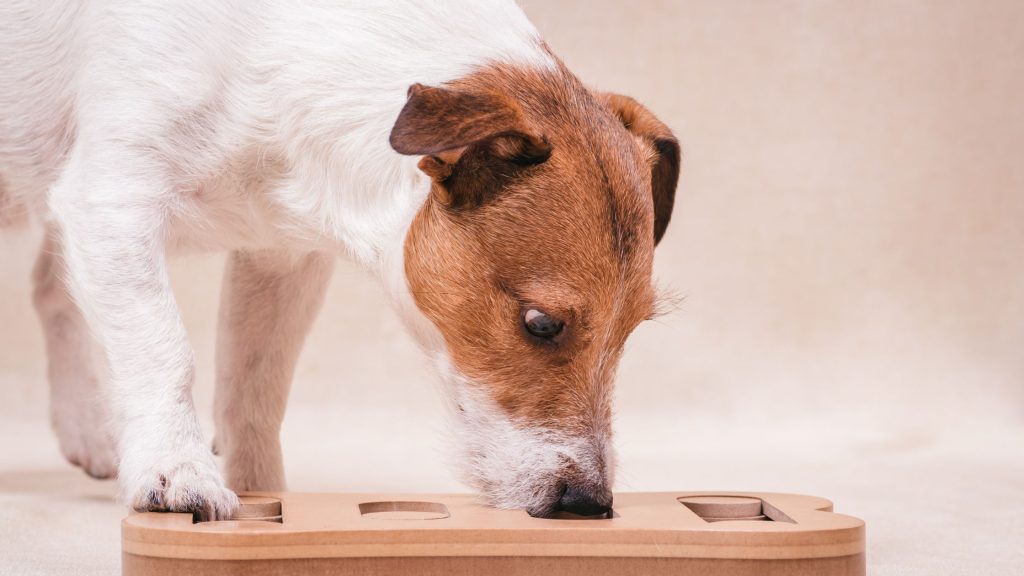
Whether you’re in a downtown apartment in the Short North or have a fenced yard in Upper Arlington, skipping a walk because of poor air quality doesn’t mean your dog has to have a boring day. A little creativity goes a long way until it’s safe to head back outside.
How to Check Air Quality Before a Dog Walk in Columbus
Before you clip on the leash, check the air.
It takes thirty seconds and it can save your dog a lot of discomfort. Here’s what we look at before heading out on hazy days in Columbus:
- Air Quality Index (AQI). You can check current conditions at AirNow.gov or on most weather apps. The AQI runs from 0 to 500 — the higher the number, the greater the risk.
- AQI under 100. Generally safe for most healthy dogs, though sensitive dogs may still show mild effects.
- AQI between 101 and 150. Use caution. Shorten walks, watch for signs of discomfort, and consider indoor alternatives for at-risk dogs.
- AQI above 150. For many dogs, it’s safest to limit outdoor time to quick potty breaks and focus on indoor enrichment.
- AQI above 200. This is very unhealthy. Keep all dogs inside except for the briefest bathroom breaks.
These are guidelines, not hard rules. A young, healthy Lab might handle 120 without issues. A senior Bulldog might struggle at 80. The number is a starting point — your dog’s individual response is what really matters.
When to Call the Vet
Most of the time, mild symptoms from poor air quality resolve once your dog is back inside with clean air. But there are times when waiting isn’t safe.
Call your vet or head to a local emergency clinic if your dog shows any of these signs after being outdoors in smoky or polluted air:
- Labored breathing — their belly is heaving, or they’re using their neck muscles to pull in air
- Persistent coughing or wheezing that doesn’t improve after resting indoors
- Blue, pale, or gray gums — this signals a serious lack of oxygen
- Collapse or extreme weakness — unable to stand or seems disoriented
- Vomiting or diarrhea combined with breathing difficulty
Trust your gut. You know your dog better than anyone. If something seems off and it’s not improving, make the call. It’s always better to err on the side of caution.
We’ve walked dogs through bad air days in Columbus and had to make the call to head inside early more than once. No walk is worth a respiratory emergency.
Frequently Asked Questions
Can dogs breathe wildfire smoke?
Yes. Just like people, dogs inhale the tiny particles found in wildfire smoke. Exposure can irritate the eyes, nose, throat, and lungs, especially during prolonged outdoor activity. Puppies, senior dogs, brachycephalic (flat-faced) breeds, and dogs with heart or respiratory conditions are generally more sensitive and may need extra precautions when air quality is poor.
Should I walk my dog during an Air Quality Alert?
It depends on the Air Quality Index (AQI), your dog’s overall health, and the type of activity you’re planning. Healthy adult dogs may tolerate a shorter walk when air quality is only moderately affected, while sensitive dogs are often better off with a quick potty break and indoor enrichment. When in doubt, shortening the walk is usually the safer choice.
What AQI is too high to walk my dog?
There’s no single number that’s appropriate for every dog, but many pet owners begin taking extra precautions once the AQI exceeds 100, especially for puppies, senior dogs, and dogs with respiratory or heart conditions. As air quality worsens, limiting outdoor time becomes increasingly important. Our AQI reference chart at the top of this blog provides general recommendations based on current EPA guidance.
Can poor air quality make my dog sick?
Yes. Smoke and other air pollutants can cause coughing, sneezing, watery eyes, nasal discharge, fatigue, or difficulty breathing. If your dog develops persistent symptoms or appears to be struggling to breathe, contact your veterinarian promptly.
How can I exercise my dog when the air quality is bad?
Mental stimulation can be just as valuable as physical exercise on days when it’s safest to stay indoors. Puzzle toys, frozen Kongs, nose work, short training sessions, indoor fetch, and tug games are all great ways to help burn energy.
How do professional Columbus dog walkers handle poor air quality?
Experienced dog walkers don’t simply follow the same routine every day. They consider the current air quality, your dog’s age, breed, medical history, and activity level before deciding whether a full walk, a shortened outing, or a potty break with indoor enrichment is the safest option. At Hands N Paws, every decision starts with one question: What’s best for this individual dog today?
Are puppies more sensitive to poor air quality?
Yes. Puppies are still developing, including their respiratory systems, and they’re often eager to run and play without recognizing when they need to slow down. During periods of poor air quality, shorter outdoor outings combined with indoor training and enrichment are often a better option than extended walks.
Should I take my dog to daycare instead of walking them during poor air quality?
It depends on the situation. If poor air quality is affecting the entire Columbus area, daycare may not eliminate outdoor exposure since many facilities include outside playtime. In some cases, a shorter visit with a professional dog walker and indoor enrichment may be the better choice. We take a closer look at the pros and cons in our article comparing Dog Walker vs. Doggy Daycare in Columbus, Ohio.
The Goal Doesn’t Change
Whether it’s a clear blue morning in Clintonville or a hazy afternoon in Upper Arlington, the goal is the same: keep your dog safe, healthy, and cared for.
Some days that means a long walk through Whetstone Park. Other days it means five minutes outside followed by a puzzle toy on the kitchen floor in German Village. The best dog walkers know the difference—and they’re not afraid to make the call.
From the Short North to Bexley, from Grandview to neighborhoods all across Columbus, our team at Hands N Paws has walked dogs through every kind of weather Columbus, Ohio can throw at us. Through it all, one thing has remained constant: the dog in front of you matters more than the number on any index.
We believe the right dog walker is someone who pays attention, adapts to changing conditions, and always puts your dog’s well-being first. That’s the standard we’ve built Hands N Paws around from day one. If that sounds like the kind of care you’re looking for, we’d love the chance to meet you and your dog.
Sources & References
The practical recommendations throughout this article are based on our experience completing thousands of dog walks across Columbus, combined with information and guidance from the following trusted resources:
- U.S. Environmental Protection Agency (EPA) — Air Quality Index basics and health guidance
- AirNow.gov — Current air quality conditions, forecasts, and AQI information
- American Veterinary Medical Association (AVMA) — Pet safety during wildfires and smoke events
- Cornell University College of Veterinary Medicine — Veterinary information regarding smoke exposure and respiratory health in pets
This article provides general educational information and is not a substitute for veterinary advice. Dogs with existing heart, lung, or respiratory conditions may require individualized recommendations from their veterinarian.